Can You Visit Gallows Hill In Salem?
Gallows Hill in Salem is a real place you can walk to, but there is no gallows, no museum, and a decades-long debate about where the 1692 hangings actually happened. Here is what to expect and how to plan the trip.
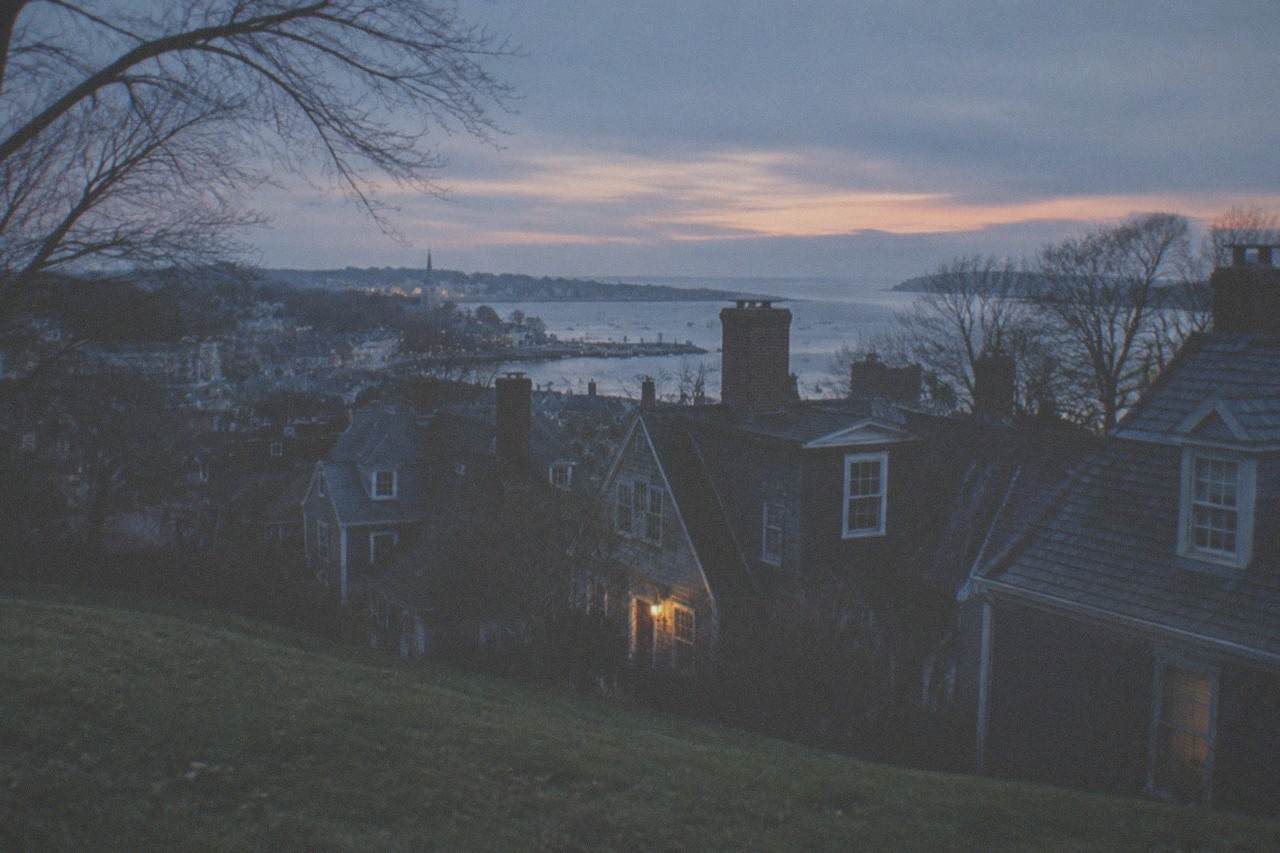
Boston's most famous execution site is not in Boston at all. It sits about 16 miles north, on a rise at the western edge of Salem, where nineteen people were hanged in 1692 during the witch trials and one man, Giles Corey, was pressed to death for refusing to enter a plea. Tourists ask about it constantly, and the honest answer is more interesting than the question suggests: yes, you can visit Gallows Hill, but the hill itself is quiet, unmarked by any gallows, and the subject of a genuinely unresolved historical argument about what stood there and where exactly the deaths occurred.
This page answers the question from the ground up: what Gallows Hill is today, what historians actually concluded about the execution site, how to get to Salem from Boston, and how to fold the visit into a trip that also includes the city's own haunted tours, including the "1-Hour Underground Ghost Walk" that starts at 139 Tremont Street for from $26.
Can You Visit Gallows Hill In Salem?
Yes, you can visit Gallows Hill in Salem, and it is free. The hill is a quiet residential neighborhood with a small city park at its top, roughly fifteen minutes on foot uphill from downtown Salem. There is no gallows, no entry gate, and no original structure from 1692, so you go for the ground itself, not for a preserved site.
That is the part most visitors do not expect. The name suggests a preserved execution ground on the scale of a battlefield park, and the reality is a steep street of old houses, a ballfield and playground at the summit that locals use year-round, and the particular silence that settles over a place whose fame exists almost entirely in the past tense. You will not need a ticket. You will not need a guide, though guides in Salem do lead witch-history walks through the area and their storytelling adds context the hillside itself does not supply.
The neighborhood treats its history matter-of-factly. People live on Gallows Hill Road. Children play on the parkland at the crest. A visitor walking up from downtown passes through the same streets the 1692 processions would have climbed from the jail, and that climb, on a foggy October evening, does most of the atmospheric work that a monument would otherwise do for you.
If you want the executions explained rather than merely located, the better plan is to visit the hill briefly and spend your time and money at Salem's trial-focused sites, which we cover below, then pair the day with a Boston tour such as the "Ghosts and Gravestones Trolley", from $46, if you are returning to the city that evening.
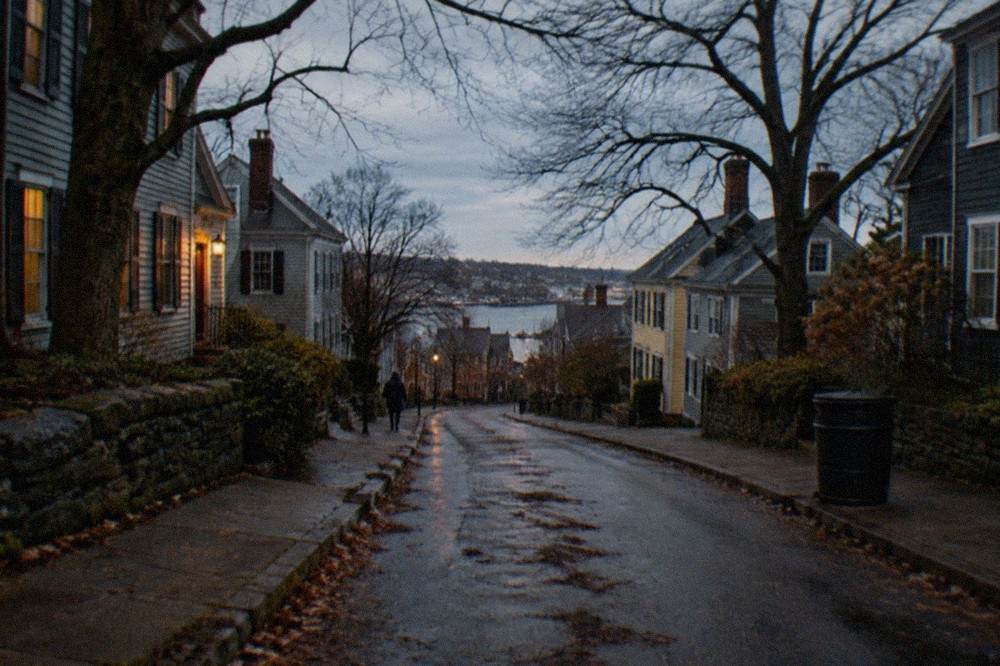
Where Is Gallows Hill And What Actually Happened There?
Gallows Hill sits at the northwestern edge of downtown Salem, Massachusetts, a ten to fifteen minute uphill walk from the Salem Witch Museum. The witch trials executed twenty people there in 1692: nineteen by hanging between June 10 and September 22, and Giles Corey, who was pressed to death with stones on September 19 for refusing to stand trial. Others died in jail before the trials ended.
The story of 1692 unfolded fast. In January and February of that year, young girls in the household of Reverend Samuel Parris, including his daughter Elizabeth, aged about nine, and his niece Abigail Williams, aged about eleven, began suffering violent fits that a doctor could not explain. Witchcraft was the diagnosis. The first accusations, in late February, named three women: Tituba, an enslaved woman in the Parris household, Sarah Good, and Sarah Osborne. Tituba confessed under pressure and named others, and the crisis metastasized across Salem and the surrounding towns. By the end, more than two hundred people had been accused, most of them women.
A special Court of Oyer and Terminer, established by Governor William Phips in May 1692, heard the cases and accepted "spectral evidence," testimony about visions and apparitions, as grounds for conviction. Bridget Bishop was the first hanged, on June 10. The executions continued through the summer and into September. Criticism mounted, notably from Boston ministers including Increase Mather, who attacked the reliability of spectral evidence. Phips dissolved the court in October 1692, and a successor court that rejected spectral evidence cleared the docket. By May 1693 the remaining prisoners had been pardoned. Some families received compensation in 1711, and the episode entered history as a standing example of what unchecked accusation can do.
Contemporary records, however, are remarkably thin on one detail everyone now wants: the precise spot of the hangings. Court documents say the executions took place on "Gallowes Hill" or simply "the hill," but no surviving account pins down the exact ground to the satisfaction of modern historians. That gap is why the site argument exists, and the next section takes it up directly.
For the fuller background on the crisis itself, our companion piece on what the Salem witch trials actually were walks through the accusations, the court, and the aftermath in more depth than a visit to the hill can convey.
Is Gallows Hill Really The Execution Site?
Probably not the summit, and historians have said so with increasing confidence since a recent historian-led research project concluded the hangings most likely occurred at Proctor's Ledge, a rocky outcrop at the base of the hill, below where the park sits today. The research team, drawing on court records, old maps, and eyewitness accounts, found the traditional summit story unsupported.
The word "tradition" is doing heavy lifting in Salem's history. The summit of Gallows Hill became the accepted location in local retellings during the nineteenth century, more than a hundred years after the fact, and Salem built a water tower, a reservoir, and parkland around that story. The historian-led review, published after years of documentary and geographic analysis, concluded that the ledge partway down the hill, on land then owned by the Proctor family and known since as Proctor's Ledge, fits the evidence far better: it was hidden from the town below, consistent with accounts describing a private execution site, and reachable by the route described in period sources.
The distinction matters to visitors because it changes what you are looking at. Standing at the top of the hill park, you are standing on nineteenth-century tradition. Standing at the foot of the ledge area, near where a small memorial now marks the spot the researchers identified, you are standing on the best current answer to a three-hundred-year-old question. Neither spot has gallows, because there is no evidence any permanent gallows existed: period accounts imply a simple execution apparatus brought to the site, used, and removed.
There is a lesson in that for anyone weighing Salem's storytelling against its record. Salem's tourism is candid about the gap in places, and generously vague about it in others. A good trip treats the hill as an argument in the landscape, not a fixed exhibit. The 1692 facts above, the nineteen hangings, the pressing of Giles Corey, the spectral evidence the court accepted, are documented. The exact coordinates are not, and any tour or sign that states them flatly is filling a gap with confidence.
Getting To Salem From Boston: Train, Ferry, Or Car?
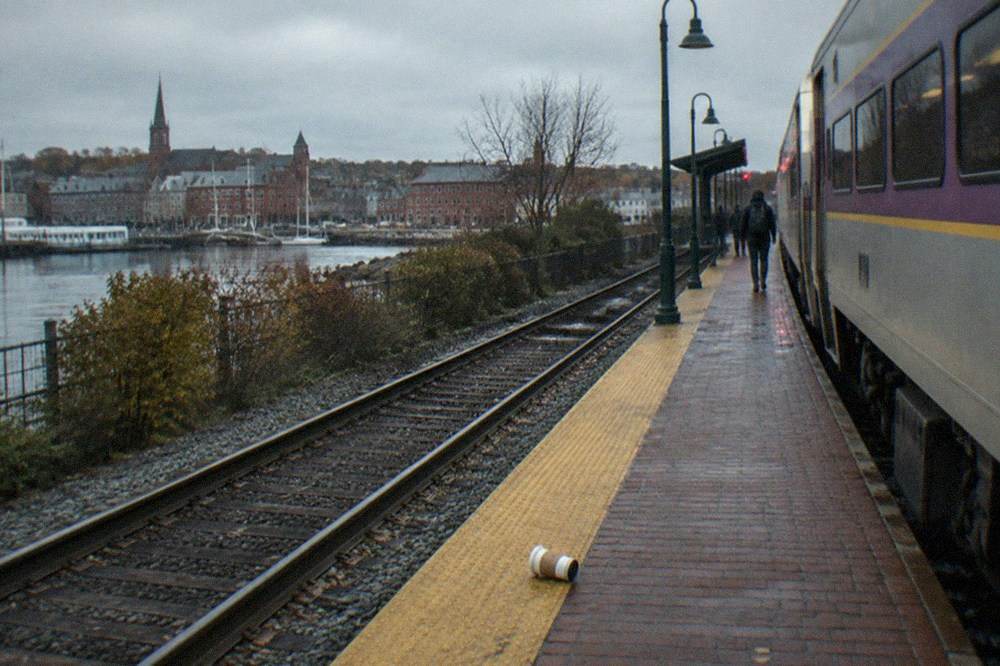
Salem sits 15 to 25 road miles north of Boston, and the three practical routes are the MBTA Commuter Rail from North Station, about 32 minutes at a fare of roughly $3 to $9 one-way; the seasonal harbor ferry from Long Wharf, about 50 minutes at around $25 one-way or $45 round trip; and driving, which takes 25 to 50 minutes outside rush hour.
The commuter rail is the workhorse. Trains on the Newburyport and Rockport line run roughly hourly from North Station to Salem station, with early departures from about 6:35 a.m. and late returns near midnight, so a spontaneous evening in Salem is possible. The station is a short walk from the downtown core and the museum district. Fares fall in a zone-based structure, with Salem in Zone 3; the MBTA's own schedule pages carry the current timetables and any weekend pass promotions.
The ferry is the scenic option and the seasonal one. Boston Harbor City Cruises runs passenger sailings from Long Wharf, near the Aquarium, to Blaney Street Wharf in Salem from late May through October, typically with several departures each way on peak days. The crossing takes about fifty minutes, and it lands you within an easy walk of downtown. During October the sailings align with the Haunted Happenings crowds, and they sell out; booking ahead is sensible if your trip falls in that window. Honesty first: Long Wharf has no verified ghost lore, only rich colonial-era history that once extended far into the harbor and served as the landing point for troops and news alike, is well documented, but the research sweep found no verified ghost lore attached to the wharf itself. Do not expect a haunted crossing.
| Route | Where it starts | Typical time | Typical cost | Notes |
|---|---|---|---|---|
| Commuter Rail | North Station | About 32 minutes | Roughly $3 to $9 one-way | Hourly-ish service, no reservations needed |
| Harbor ferry | Long Wharf | About 50 minutes | About $25 one-way, $45 round trip | Seasonal, late May through October, sells out in October |
| Car | I-95 or Route 1 | 25 to 50 minutes | Varies, plus Salem parking | Traffic and October parking are the pain points |
Driving works outside peak season. In October, especially on weekends and on Halloween itself, Salem's streets and lots fill early and the town manages closures around the festival, so rail or ferry is the calmer plan. Destination Salem reported roughly 1.1 million unique visitors to downtown Salem across October 2025 and about 96,000 on Halloween Day alone, figures reported by Boston.com and other outlets, and while each year varies, the pattern of record October crowds has held for six straight years. Treat future-year figures as an approximate repeat of that pattern rather than a confirmed number.
What Else To Do In Salem Once You Are There?
Plan on three to four hours of Salem sites beyond the hill: the Salem Witch Museum for the trial narrative, the Witch House as the only surviving structure with direct 1692 ties, and the Peabody Essex Museum's trial exhibits. Museum admission typically runs $16 to $19 per adult, and the Witch House is closed weekdays in winter, so check hours before you go.
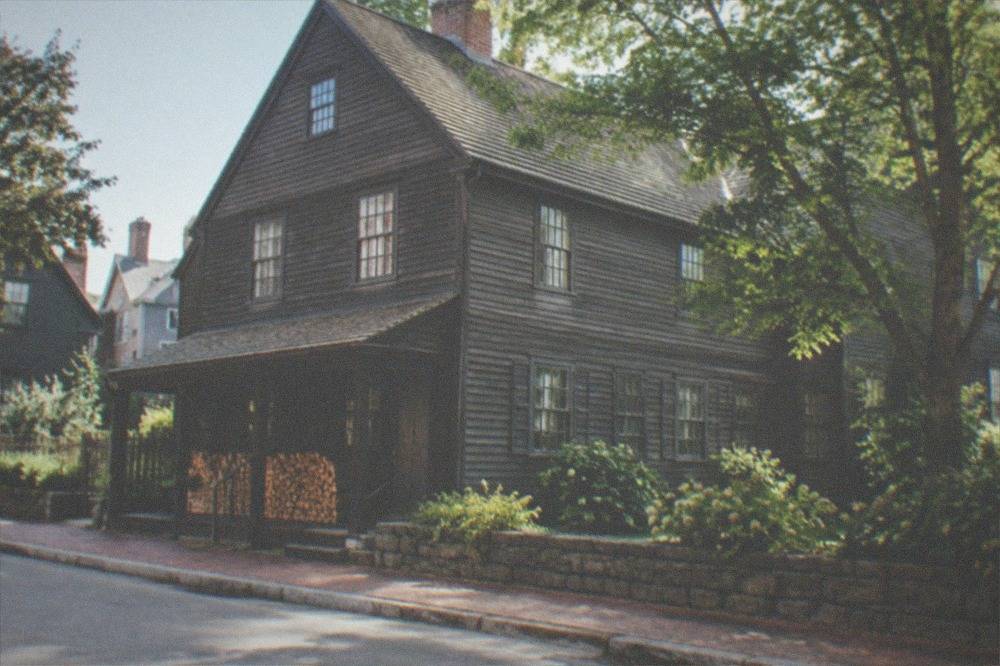
The Salem Witch Museum, opposite Salem Common on Washington Square North, tells the 1692 story through a staged audiovisual presentation with life-size figures, then a second exhibit on how perceptions of witchcraft evolved afterward. Presentations run about every half hour and the full visit takes roughly an hour. The Witch House, on Essex Street, is the home of Jonathan Corwin, one of the magistrates who examined the accused. It is the one place in Salem where the trials touch a still-standing, visitable interior, and the self-guided tour shows how a prosperous Puritan household of that era actually lived, which quietly reframes the crisis as something that happened in ordinary houses to ordinary people. The Peabody Essex Museum rounds things out with objects, documents, and exhibits tied to the trials and the town's maritime wealth.
The rest of downtown Salem is essentially a festival of its own past: costumed performers, psychic shops, and walking tours of varying seriousness. Some of that is genuinely informative; some is entertainment wearing history's clothes. There is nothing wrong with either, but a visitor who wants the record rather than the show should weight time toward the museums and the hill.
If you are deciding between a Salem-focused October trip and staying in Boston for the haunting season, our write-up on whether Salem is worth it during Halloween compares the crowds, costs, and payoffs honestly.
How To Pair A Boston Ghost Tour With Your Salem Trip
The efficient plan is a Boston ghost tour the evening before or after your Salem day: Salem's sites close by early evening, while Boston's tours run at night. A one-hour Boston walk such as the "1-Hour Underground Ghost Walk" from $26 gives you an hour of storytelling after dark at minimal cost, and every tour on this roster except one carries free cancellation if your plans shift.
The two halves of the day are complementary rather than competing. Salem answers the question "what happened in 1692?" Boston answers a different question: what did the colony do with death in general, and what is standing there now to walk through? Boston's burying grounds hold the Boston Massacre victims, Paul Revere, and Samuel Adams; the Granary alone, established 1660, holds an estimated 5,000-plus burials behind roughly 2,345 surviving stones, and the city keeps it open daily, free. The "1-Hour Underground Ghost Walk" starts at 139 Tremont Street, by the Boston Common Visitors Center across from the Dunkin', and at from $26 it is a low-cost one-hour option, rated 4.0 across 274 reviews. It is a low-commitment choice for the evening before a Salem day trip.
If a trolley appeals more than a walk, the "2-Hour Ghosts and Gravestones Trolley" departs from 200 Atlantic Avenue at Long Wharf, from $46, and with 2,645 reviews it is by far the most-reviewed product on this site's entire roster, rated 4.5. Its departure point happens to sit beside the Salem ferry dock, which makes an unusually tidy itinerary: morning trolley in Boston, afternoon ferry to Salem, evening climb up the hill before the last boat back. The "1.5-Hour Night-Time Ghost Walk" from $30, rated 4.5 across 313 reviews and the most-reviewed walking tour here, starts outside King's Chapel Burying Ground, Boston's oldest burying ground, established 1630.
One caution on the roster: the "1.5-Mile Haunted Streets Walk" is the single listing on this site without free cancellation. Every other tour here lets you cancel, so if your Salem timing is uncertain, book one of those and leave the no-cancellation walk for a firmer evening.
For the full logistics of a Salem pairing, including timing a ferry against a trolley and which Boston tours end closest to North Station, the site's day-trip pairing guide from Boston lays out complete itineraries. And if you are weighing the question at the level of the whole trip, Boston Ghost Tours covers the city side of the pairing in depth.
When Is The Best Time To Visit Gallows Hill?
Early October on a weekday is the sweet spot: full museum hours, festival atmosphere without peak-weekend gridlock, and foliage on the hillside. Halloween week itself brings the biggest crowds of the year, roughly 96,000 people in downtown Salem on the day in 2025, so visit the hill in the morning if you must go then, or go in a shoulder month instead.
Salem's Haunted Happenings runs the entire month of October, with markets, parades, and performances, and the grand parade traditionally opens the festival on the first of the month. The energy is real and fun, but the practical costs are parking scarcity, museum queues, and a downtown that functions as one slow-moving crowd. The Witch Museum extends hours in July, August, and October precisely because demand demands it, and its presentations every thirty minutes become timed bottlenecks at peak times.
Winter is the opposite problem. The Witch House drops to limited hours, roughly Thursday through Sunday from mid-November to mid-April, and the streets empty out. What you gain is a quiet, genuinely eerie hillside; what you lose is the museum coverage that explains it. Late spring and September split the difference, with good hours, thinner crowds, and a landscape that has not yet been themed for the season.
One timing note specific to the hill: it is an open neighborhood with no hours of its own. Visit in daylight for the park and the views, or at dusk for the atmosphere, and avoid climbing it alone late at night, not because of ghosts, but because it is a dark residential street like any other. For a broader seasonal argument, including weather and tour schedules in Boston itself, the site's guide to the best time for a Boston ghost tour covers the city side of the calendar.
Common Questions About Gallows Hill
Can You Visit Gallows Hill In Salem?
Yes. Gallows Hill is a free, public residential neighborhood in Salem, Massachusetts, with a small park at its top, about a fifteen minute uphill walk from downtown. There is no gallows, no gate, and no original 1692 structure; you visit for the ground and the history, not a preserved site.
Is It Worth Going To Salem During Halloween?
It depends on what you want. October brings Salem's full Haunted Happenings festival, extended museum hours, and a party atmosphere, but also very large crowds, with roughly 96,000 people in downtown Salem on Halloween Day 2025. A weekday in early October or a visit in September offers most of the atmosphere with far fewer people.
Is A Day Trip To Salem From Boston Worth It?
For most visitors, yes. The train takes about 32 minutes at roughly $3 to $9 each way, the ferry about 50 minutes, and Salem's trial sites, the Witch Museum, the Witch House, and the museums around them, fill a full day. Gallows Hill itself takes under an hour, so fold it into a day that includes the rest.
Where Exactly Did The 1692 Hangings Take Place?
The exact spot is not established with certainty. Tradition long placed the executions on the summit of Gallows Hill, but a historian-led research project concluded that Proctor's Ledge, a rocky outcrop at the base of the hill, fits the documentary and geographic evidence best, and a small memorial now marks that spot.
What Were The Salem Witch Trials?
A colonial judicial crisis in 1692 in which more than two hundred people, mostly women, were accused of witchcraft after young girls in Salem Village suffered unexplained fits. A special court accepted spectral evidence, convicted and hanged nineteen people between June and September 1692, and pressed Giles Corey to death for refusing to plead. The court was dissolved that October, and the episode was later repudiated.
Is There A Memorial At Gallows Hill?
Not on the summit. The hilltop park is recreation land with no trial memorial. The memorial that exists stands at Proctor's Ledge near the base of the hill, the site identified by recent research as the likely execution ground, and it is a modest, quiet marker rather than a large monument.